Inflation: A crash course in the economic cycle
Consumer prices jumped last month at their fastest rate since 1982 as surging inflation in items ranging from food to housing showed no signs of abating.
The Consumer Price Index, which tracks the price of a broad range of goods, rose 6.8% in November from a year ago, the Labor Department said on Friday. Core inflation, which strips out volatile food and fuel prices, increased 4.9% over that 12-month period.
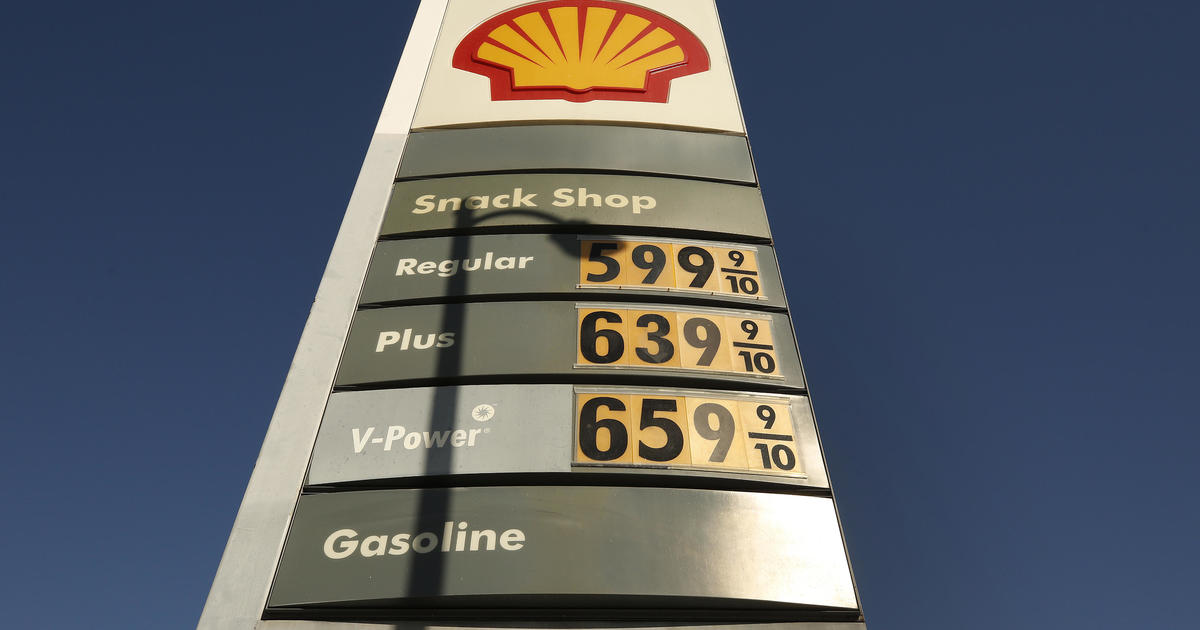
The price increases hit a broad range of goods, with food, shelter, new and used cars, and gasoline all showing the largest jumps. Energy costs last month soared 33% over the last year compared with a year ago, food costs rose 6%, and used car and truck prices climbed 31%.
The persistence of high inflation has surprised the Federal Reserve and its chairman, Jerome Powell, who had for months described the sharp rise in prices as “transitory” and a short-term consequence of snarled supply chains. But two weeks ago, he signaled a shift, implicitly acknowledging that high inflation has endured longer than he expected.
Fueling that inflation has been a mix of factors resulting from the swift rebound from the pandemic recession: a flood of government stimulus, ultra-low rates engineered by the Fed and supply shortages at factories in the U.S and abroad. Manufacturers have been slowed by robust customer demand, COVID-related shutdowns, and overwhelmed ports and freight yards.
“Some of the fourth quarter’s high inflation is due to supply chain problems and the lag between recovering consumer demand and recovering business production,” PNC senior economist Bill Adams said in a note. “But other sources of recent inflationary pressure look likely to persist,” he added, such as the runup in home prices that started last year.
Food, fuel, cars
These are the categories driving inflation higher in November, according to the Labor Department, along with their year-over-year price increases.
- Fuel oil – 59.3%
- Gasoline – 58.1%
- Used cars and trucks – 31.4%
- New vehicles – 11.1%
- Food – 6.1%
- Apparel – 5.0%
- Shelter – 3.8%
- Transportation services – 3.9%
Surging prices have also been a drag on consumers. While worker pay also has risen at a healthy clip this year as employers jockey to attract workers in a tight labor market, wage growth has not kept up with price increases.
Even as prices soar, economists expect inflation to ease in the coming months, driven by falling oil prices and uncertainty over the COVID-19 Omicron variant.
“[W]ith energy prices falling sharply in recent weeks, last month probably marked the peak,” Paul Ashworth, chief U.S. economist at Capital Economics, said in a report.
The Associated Press contributed reporting.
Download our Free App
For Breaking News & Analysis Download the Free CBS News app
Thanks for reading CBS NEWS.
Create your free account or log in
for more features.
kebo88 | kebo88 | kebo88 | slot gacor | slot gacor | slot gacor | kebo88 | slot gacor | kebo88 | slot gacor